
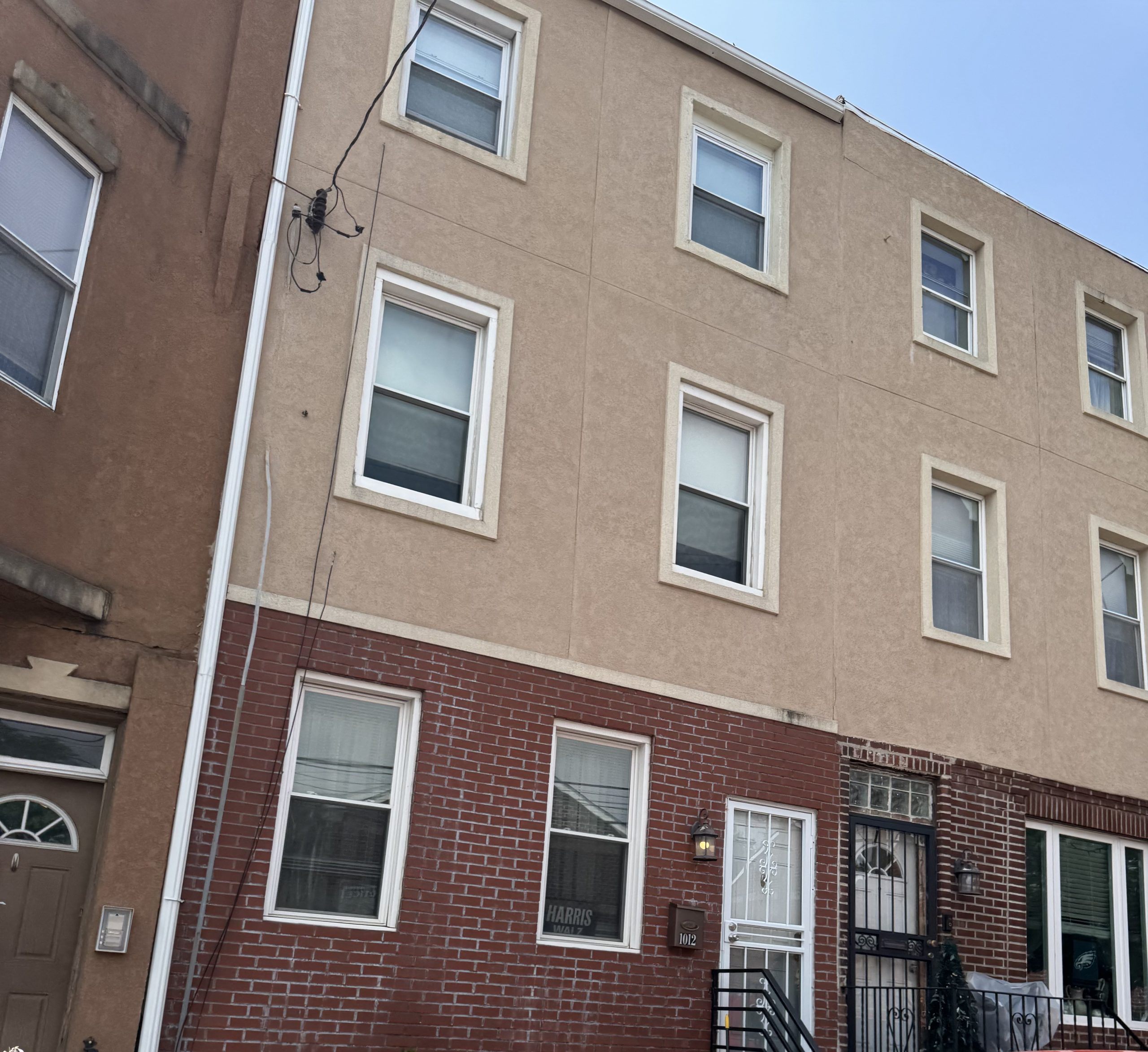
Philadelphia Squatter Rights 2026: What Homeowners in Sharswood Need to Know
Philadelphia Squatter Rights 2026: What Homeowners in Sharswood Need to Know Property ownership comes with legal responsibilities, and one issue that continues to concern homeowners throughout Philadelphia is squatter rights. In neighborhoods experiencing redevelopment and rising property values, such as Sharswood in North Philadelphia, vacant and inherited properties can sometimes become targets for unauthorized occupants. Understanding Pennsylvania squatter laws in 2026 is important for anyone owning residential or investment property in the city. Whether you are managing a vacant home, preparing for selling a house in Philadelphia, or exploring ways to sell your home fast in Philadelphia, knowing your rights can help you avoid costly legal complications. This guide explains how squatter rights work in Pennsylvania, how they affect homeowners in Sharswood, and what property owners can do to protect themselves. What Are Squatter Rights? Squatter rights refer to legal protections that may apply when someone occupies a property without the owner’s permission for an extended period of time. In Pennsylvania, squatters do not automatically gain ownership simply by entering a vacant property. However, under certain circumstances, a person may attempt to claim legal ownership through a process called adverse possession. Adverse possession laws are complex and typically require very specific legal conditions to be met over many years. Why Squatter Issues Matter in North Philadelphia Sharswood and surrounding North Philadelphia neighborhoods have seen major redevelopment activity in recent years. As property values increase, vacant homes and abandoned buildings often attract attention from investors, developers, and unfortunately, unauthorized occupants. Vacant properties may become vulnerable due to: Long-term abandonment Inherited homes left unmanaged Foreclosure situations Out-of-state ownership Delayed renovations or construction projects Homeowners who leave properties unattended for extended periods may face increased risks of trespassing, vandalism, or squatting. Understanding Adverse Possession in Pennsylvania Pennsylvania law sets strict requirements for someone attempting to claim ownership through adverse possession. Generally, a squatter must occupy a property continuously and openly for a long period of time while meeting several legal standards. Common Requirements for Adverse Possession To potentially pursue adverse possession in Pennsylvania, occupancy typically must be: Continuous The person must occupy the property consistently for the required legal period without significant interruption. Open and Notorious The occupation cannot be hidden. The individual must openly act as though they are the property owner. Exclusive The squatter generally cannot share possession with the legal owner or the public. Hostile This does not necessarily mean violent. It means the occupation occurs without the owner’s permission. Because these cases are highly fact-specific, homeowners dealing with potential squatters should consult qualified legal professionals when necessary. How Squatters Affect Homeowners Trying to Sell Squatter-related issues can complicate real estate transactions significantly. Buyers are often hesitant to purchase occupied or legally disputed properties, especially if eviction proceedings are involved. For homeowners interested in selling a house in Philadelphia, unresolved occupancy problems may lead to: Delayed closings Reduced buyer interest Financing difficulties Lower offers Legal expenses This is one reason many distressed property owners explore direct selling options. Preventing Squatter Problems in Sharswood Property owners can take several steps to reduce the risk of unauthorized occupancy. Secure Vacant Properties Vacant homes should be properly locked, monitored, and maintained regularly. Broken windows, unsecured doors, and overgrown landscaping can signal abandonment. Visit the Property Frequently Routine visits help owners identify problems early before unauthorized occupants become established. Keep Utilities and Maintenance Current Maintained properties appear occupied and cared for, making them less attractive to squatters. Respond Quickly to Trespassing The longer unauthorized occupants remain on a property, the more difficult and expensive removal may become. What to Do if Someone Is Occupying Your Property Homeowners should avoid handling squatter situations aggressively or illegally. Pennsylvania law still provides certain protections to occupants, even if they entered unlawfully. Avoid Self-Help Evictions Property owners generally should not: Change locks while occupants are inside Remove belongings unlawfully Shut off utilities intentionally Threaten or physically remove occupants Improper removal attempts can create additional legal problems. Contact Local Authorities or Legal Counsel Depending on the circumstances, law enforcement or housing courts may need to become involved. An attorney familiar with Philadelphia real estate law can help determine the proper course of action. Why Some Owners Decide to Sell Quickly Squatter disputes, vacant property maintenance, and legal uncertainty can create major stress for homeowners. In many cases, owners simply want to move on from the property rather than continue dealing with ongoing complications. This is why some homeowners search for options to sell my house for cash Philadelphia instead of pursuing traditional listings. Benefits of Selling a Distressed Property for Cash Cash home buyers often purchase properties in as-is condition, including homes facing legal or occupancy-related challenges. For sellers, potential advantages may include: Faster Closings Traditional sales involving vacant or distressed homes can take months. Cash transactions may move more quickly. No Major Repairs Required Owners often avoid spending additional money fixing damaged or neglected properties. Simplified Selling Process Without lender approvals or extensive inspections, the transaction may feel more manageable for distressed sellers. Flexibility During Difficult Situations Cash buyers frequently work with inherited homes, foreclosure situations, tenant issues, and vacant properties. The Sharswood Real Estate Market in 2026 Sharswood continues evolving as redevelopment expands throughout North Philadelphia. New construction, renovation projects, and increased investor interest have contributed to neighborhood changes over the last several years. Its proximity to Center City and Temple University has also helped drive housing demand. While growth creates opportunity, it also increases the importance of properly managing vacant or distressed properties. Homeowners who stay proactive about maintenance, security, and legal compliance are often in a better position to protect their investments. Selling a House in Philadelphia with Property Challenges Not every home sale is straightforward. Vacant properties, legal concerns, inherited homes, and occupancy disputes can all make traditional listings more difficult. For homeowners dealing with stressful situations, understanding all available options is important. Some sellers choose the open market, while others prefer working directly with buyers experienced in distressed property situations. Final Thoughts
Philadelphia Squatter Rights 2026: What Homeowners in Sharswood Need to Know Read More »