
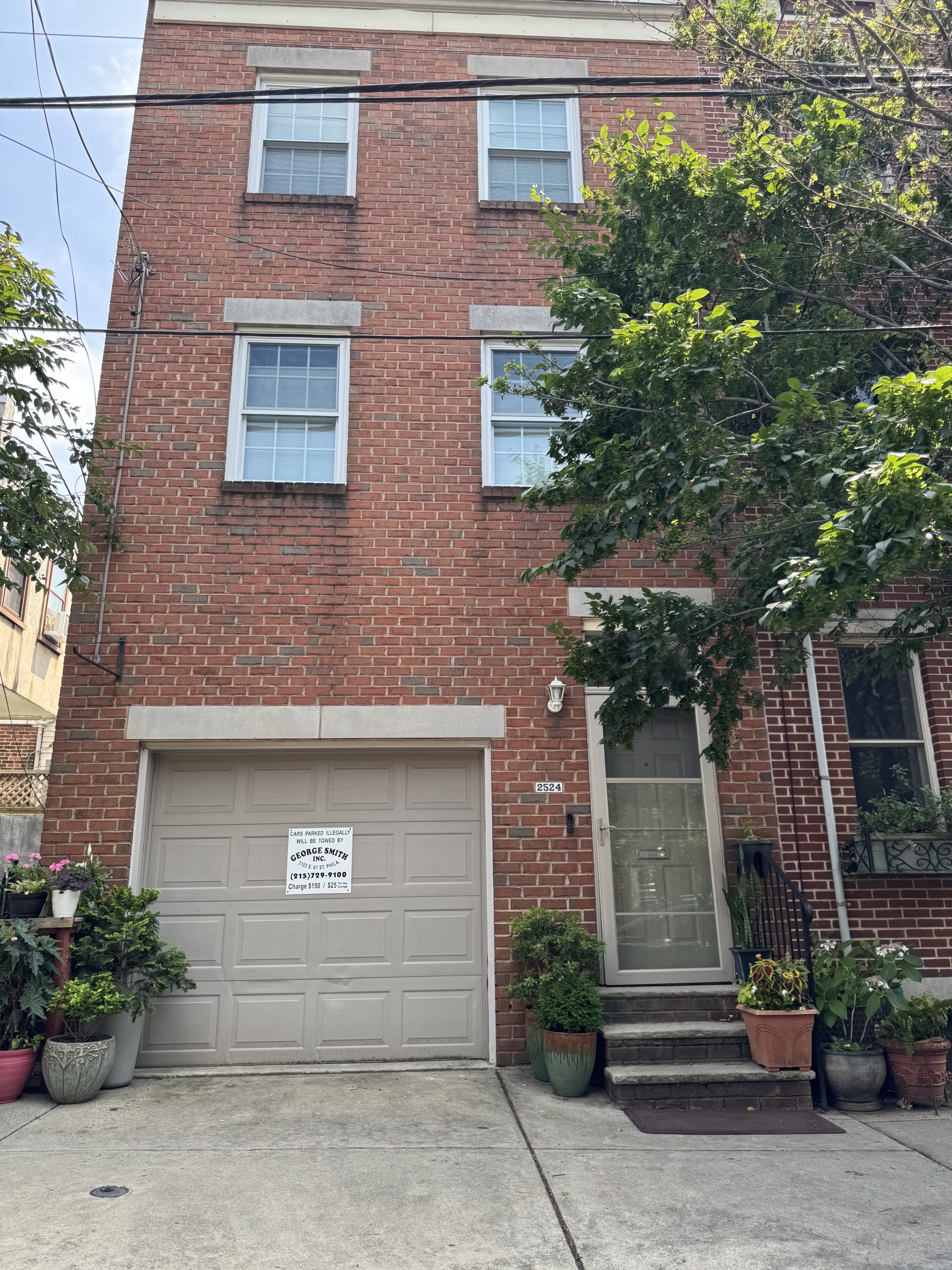
Cost of Living in Northeast Philadelphia: 2026 Breakdown
Northeast Philadelphia doesn’t get the same ink as Fishtown or Passyunk Square. It doesn’t show up in national best-neighborhood listicles or attract the same wave of out-of-state buyers who treat South Philly like a discovery. And for the people who actually live there, that’s largely fine — because Northeast Philly has always operated on its own terms, with its own economy, its own sense of value, and a stubborn resistance to being told what it’s supposed to be.
What it is, in 2026, is one of the most genuinely affordable residential markets left inside Philadelphia’s city limits — with the infrastructure, the square footage, and the community stability that many buyers are actively searching for and increasingly unable to find closer to Center City.
This breakdown covers Mayfair, Tacony, Wissinoming, Bridesburg, and Holmesburg: five neighborhoods that represent Northeast Philly’s residential core, each with its own cost profile and its own moment in the current market.
The Northeast Philadelphia Cost Context in 2026
A few baseline realities shape costs across all five neighborhoods covered here.
Property taxes in Northeast Philadelphia are generally lower than comparable South Philly or West Philly properties on an absolute basis, though Philadelphia’s citywide reassessment process has pushed some bills upward over the past two years. The Homestead Exemption remains available to owner-occupants and provides modest but real relief.
Utility costs in Northeast Philly reflect the neighborhood’s housing stock — older rowhouses and twins with less insulation efficiency can run higher heating bills in winter than newer construction elsewhere. Buyers and renters evaluating total cost of occupancy should factor this in.
Grocery, transportation, and services costs track broadly with the Philadelphia average, though the Northeast’s car-dependency — more pronounced here than in denser South Philly — means households often carry higher vehicle expenses than they would in transit-rich neighborhoods.
With that context established, here’s what it actually costs to live in each neighborhood.
Mayfair: The Northeast’s Most Competitive Residential Market
Mayfair sits in the heart of the lower Northeast, bounded roughly by Frankford Avenue, Roosevelt Boulevard, and the Tacony Creek. It has long been the entry point of choice for buyers leaving South Philadelphia or moving from the suburbs back into the city — and in 2026, that demand has made it the most competitive of the five neighborhoods covered here.
Housing costs: Rowhouse purchase prices in Mayfair currently range from $215,000 to $310,000 for standard stock, with larger twins and semis pushing toward $350,000. Rent for a two-bedroom unit runs $1,350–$1,750 depending on unit quality and whether the property has been recently updated. These are genuinely attractive numbers relative to what comparable square footage costs in South or Northwest Philadelphia.
Everyday costs: Mayfair’s commercial infrastructure along Frankford Avenue and the surrounding shopping corridors provides solid everyday access to groceries, dining, and services at prices that track below Center City and inner-ring neighborhoods. The cost of a daily routine is reasonable here.
For homeowners: Mayfair’s consistent buyer demand makes it a strong seller’s market for well-positioned properties — and a practical one for sellers in any condition. Homeowners who want to sell a house fast in Northeast Philly without investing in pre-sale repairs or waiting through a drawn-out listing process have legitimate options here because the buyer pool — including direct cash buyers — remains active year-round.
Tacony: Working-Class Stability at Accessible Price Points
Tacony sits along the Delaware River in the lower Northeast, with a character shaped by its industrial history and its tight-knit residential community. The Tacony-Palmyra Bridge connects it to New Jersey, giving the neighborhood a commuter dynamic that some of its inland neighbors don’t share.
Housing costs: Tacony is one of the more affordable neighborhoods in the lower Northeast. Rowhouse purchase prices typically fall between $175,000 and $265,000, with condition being the primary price driver. Rental inventory is modest — long-term ownership is the neighborhood norm — but two-bedroom units rent in the $1,200–$1,550 range where available.
Everyday costs: Tacony’s commercial strip along Torresdale Avenue and the surrounding blocks provides essential services without the restaurant and retail density of neighborhoods closer to Center City. Residents generally drive for major grocery shopping, which is a cost-of-time factor worth acknowledging. The tradeoff is housing affordability that is difficult to match inside city limits.
For homeowners: Tacony has a pronounced long-tenure ownership profile. It’s not unusual to encounter properties that have been in the same family for thirty or forty years — and that tenure often means deferred maintenance, dated interiors, and estate complications when ownership eventually transfers. For families navigating that situation, working with cash home buyers in Northeast Philadelphia who purchase properties in as-is condition removes the barrier that renovation requirements create in a traditional sale.
Wissinoming: Quiet, Underrated, and Genuinely Affordable
Wissinoming doesn’t generate much conversation, which is part of its appeal to the residents who choose it. Located between Frankford and Tacony, inland from the river, it’s a compact neighborhood with a residential character that prioritizes quiet over amenity density.
Housing costs: Wissinoming offers some of the lowest entry-point pricing in the lower Northeast. Rowhouses and twins in standard condition sell in the $165,000–$240,000 range, and the upper end of that range typically reflects meaningfully updated properties. Rents are comparably modest — two-bedrooms commonly available in the $1,150–$1,450 range — making Wissinoming one of the few genuinely affordable rental markets left inside the city.
Everyday costs: Like Tacony, Wissinoming requires a car for most shopping needs. The neighborhood’s own commercial presence is limited. The tradeoff is consistent: lower housing costs absorb the additional transportation expense for most households.
For homeowners: Wissinoming’s ownership base is stable and long-term, which means the seller pool is heavily weighted toward estate situations, downsizing seniors, and owners facing maintenance costs that have outpaced their ability or desire to invest further. For those sellers, a direct and fast home sale in Northeast Philly — without inspections, open houses, or financing contingencies — resolves the decision efficiently. IBuy Philadelphia Homes works directly with Wissinoming homeowners in exactly these circumstances.
Bridesburg: Industrial Edge, Residential Core, Surprising Value
Bridesburg sits at the northeastern edge of the lower Northeast, tucked against the Delaware River near the Bucks County line. Its identity has always been shaped by the refineries, rail yards, and industrial operations that surround it — and that industrial adjacency has historically kept residential prices lower than its actual quality of life warranted.
Housing costs: Bridesburg remains one of Philadelphia’s genuine value pockets. Purchase prices for rowhouses and twins typically run $170,000–$255,000, with the upper range reflecting renovated or larger properties. For buyers who can look past the industrial surroundings, the price-per-square-foot calculus is compelling — Bridesburg consistently offers more interior space per dollar than any comparable neighborhood in the city.
Everyday costs: Bridesburg is functionally car-dependent. The commercial infrastructure is minimal, and residents typically travel to Tacony, Mayfair, or the Torresdale Avenue corridor for shopping and services. Transit connections exist but are limited in frequency — the neighborhood is not positioned for car-free living.
For homeowners: Bridesburg’s lower price points and industrial adjacency have historically attracted long-term owner-occupants over investor buyers. That demographic means properties here often carry years of accumulated deferred maintenance and haven’t been updated to current market expectations. Sellers who want to move without taking on a renovation project find that connecting with established cash home buyers in Northeast Philadelphia creates a viable path. Properties in original condition are purchased regularly in Bridesburg — no staging, no repairs, no waiting on buyer financing.
Holmesburg: The Northeast’s Quiet Overachiever
Holmesburg sits in the upper reaches of the lower Northeast, northeast of Mayfair and north of Tacony, with a residential character that punches above its profile. The housing stock here trends larger — more twins, more semis, more properties with actual yards — and the community infrastructure, including its historic commercial district along Frankford Avenue, has maintained a vitality that less organized neighborhoods have struggled to preserve.
Housing costs: Holmesburg commands a modest premium over its immediate neighbors. Purchase prices for typical housing stock run $230,000–$345,000, reflecting both the housing type and the neighborhood’s relative stability. Rent for a two-bedroom unit is generally in the $1,400–$1,800 range, with larger units in well-maintained properties reaching higher.
Everyday costs: Holmesburg’s Frankford Avenue corridor provides above-average commercial access for a Northeast neighborhood — grocery options, local dining, and services are within walking distance for many residents, reducing the full car-dependency that characterizes Bridesburg and Wissinoming.
For homeowners: Holmesburg sellers operate in one of the stronger demand environments in the Northeast. Properties that are well-maintained and reasonably priced move with consistency, and estate and long-term-owner situations here attract serious buyer attention. Homeowners who want a streamlined, fast sale of their Northeast Philly house without the disruption of a traditional listing find that Holmesburg’s demand supports a favorable direct sale outcome — often within days of making a decision to sell.
Northeast Philadelphia Cost of Living: Comparative Summary
For households evaluating where their dollar goes furthest inside Philadelphia city limits, Northeast Philly makes a genuine case. Here’s the comparative picture across the five neighborhoods:
Lowest housing costs: Wissinoming and Bridesburg, consistently offering the lowest purchase prices and rents in the corridor.
Best amenity-to-cost ratio: Holmesburg, where a modest price premium buys meaningful commercial access and larger housing stock.
Most competitive buyer demand: Mayfair, where South Philly spillover and consistent buyer interest keep the market active.
Best long-term value trajectory: Tacony, where riverfront position and Bridesburg/Holmesburg spillover create quiet appreciation upside.
Most overlooked: Wissinoming, where affordability and residential stability coexist in a package the market hasn’t fully priced.
IBuy Philadelphia Homes: Active Buyers Across the Northeast
At IBuy Philadelphia Homes, we purchase properties throughout Mayfair, Tacony, Wissinoming, Bridesburg, Holmesburg, and the broader Northeast Philadelphia market. We buy homes in any condition, with no repair requirements, no agent commissions, and no contingencies.
Whether you’re an estate executor managing a property you didn’t plan to inherit, a long-term homeowner ready to simplify your financial picture, or a seller who simply doesn’t want to spend months in a listing process — we can move at your pace.
Reach out for a no-obligation offer. We’ll give you a straight number and let you decide.